Why Your Takeout Tastes Off — And the Simple Tricks That Actually Fix It
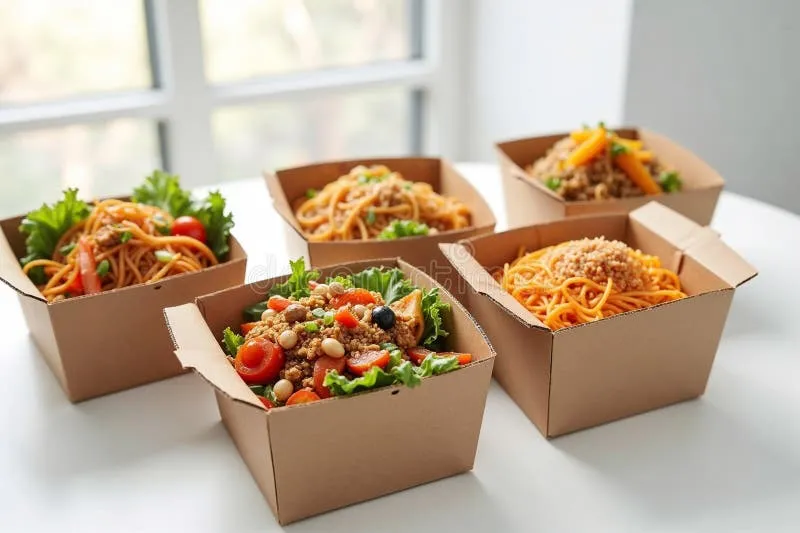
Photo: Italian pasta takeout delivery container open on kitchen counter, via thumbs.dreamstime.com
You order from your go-to Paramus Italian spot. The place never lets you down when you're sitting in the dining room. But somewhere between the kitchen and your couch, something changes. The pasta clumps. The sauce tastes a little flat. The arancini that were golden and crispy at the restaurant arrive soft and a bit sad.
You're not imagining it. Delivery is genuinely hard on Italian food — and understanding why is the first step to fixing it.
The Physics of a Bad Commute
Italian cooking is built on precision. A perfectly emulsified cacio e pepe depends on temperature and timing. A crispy-bottomed chicken cutlet lives and dies by moisture control. The moment food goes into a container, that precision starts slipping.
Steam is the main villain. When hot food gets sealed into a container, moisture condenses on the lid and drips back down onto whatever's underneath. A crunchy breadcrumb crust becomes a soggy layer. A beautifully reduced sauce gets diluted. Even a simple bowl of pappardelle with Bolognese can turn gummy if the pasta and sauce sit together too long while trapped in a closed box.
Heat loss is the second problem. By the time a 15-to-20-minute delivery run is done, dishes that need to be served hot — think baked ziti, stuffed shells, osso buco — have often dropped below the temperature where they actually taste their best. Fats congeal slightly. Textures shift. The dish is technically still warm, but it's not right.
What to Order (and What to Skip)
Not every Italian dish travels equally. Some things are practically built for delivery. Others are a gamble.
Smart picks for delivery:
- Braised meats and slow-cooked ragùs actually hold up well — the flavors deepen as they sit, and there's enough fat and liquid to keep things from drying out.
- Soups like minestrone or pasta e fagioli travel surprisingly well. Just keep the bread on the side.
- Baked pasta dishes — lasagna, baked ziti, eggplant parm — reheat beautifully and often taste even better after a few minutes in your oven.
- Risotto is a stretch for delivery, but if you're going to order it, ask for it slightly undercooked. It'll finish cooking in its own steam on the way to you.
Tricky deliveries:
- Anything fried. Arancini, fried calamari, breaded cutlets — these need to be eaten fast. If you love them, order them and plan to eat immediately when the driver arrives.
- Fresh pasta dishes with delicate sauces. Handmade tagliolini in a light butter sauce is a restaurant experience. By delivery, the pasta has absorbed most of the sauce and the texture has changed.
- Anything with a cheese crust that was broiled to order. That golden top won't survive the ride.
Ask for the Separation
One of the easiest wins in delivery Italian food is something most people never think to request: ask for the sauce on the side.
This is especially true for pasta. When sauce and pasta travel together, the noodles keep absorbing liquid the whole time. By the time you open the container, the ratio is off and the pasta has gone from al dente to mushy. If you ask for sauce packed separately, you control when they meet — and you can warm the sauce in a pan, toss the pasta in for just a minute, and get something that actually tastes like it came from a kitchen rather than a delivery bag.
Same goes for salad dressings, grated cheese, and fresh herbs. These are finishers. They belong on the food at the table, not during a car ride.
The Reheat Move Most People Skip
If your food arrives and you're not quite ready to eat, or if it cooled down more than you'd like, resist the microwave instinct. A microwave reheats unevenly, creates hot spots, and destroys textures.
For pasta, a wide skillet with a splash of pasta water (or just regular water) over medium heat works wonders. Toss the pasta in the pan for a minute or two and the sauce re-emulsifies, the noodles loosen up, and the whole dish comes back to life.
For anything baked — lasagna, stuffed shells, chicken parm — a 350°F oven for 10 to 12 minutes beats the microwave every single time. Cover with foil to keep moisture in, then pull the foil for the last two minutes to re-crisp the top.
For fried items, a quick blast in an air fryer at 375°F for three to four minutes will revive them better than anything else. If you don't have an air fryer, a dry skillet over medium-high heat works in a pinch.
Timing Is Everything
One thing that rarely gets talked about: when you order matters almost as much as what you order.
Ordering during peak hours — Friday and Saturday nights between 6 and 8 PM — means your food might sit in a queue before it's even picked up. That's extra time in a container before it ever gets to you. If you can, order slightly earlier in the evening or on a weeknight when the kitchen can turn your order faster and the delivery run is shorter.
Also, if a restaurant offers scheduled ordering through a platform like Mangiamo Paramus, use it. Scheduling your delivery for a specific time means the kitchen can time your food to be ready closer to when it actually arrives — rather than having it sit in a bag for 20 minutes waiting for a driver.
A Little Effort Goes a Long Way
None of this is complicated. It's mostly just paying attention — to what you order, how you ask for it to be packed, and what you do with it when it arrives. The restaurants doing great Italian food in Paramus are putting real care into every dish. A few small adjustments on your end mean that care actually makes it to your table.
Good Italian food deserves to be eaten right. Now you've got the tools to make that happen.