Hot, Crispy, and Creamy: The Hidden Science of Getting Italian Food Delivered Right
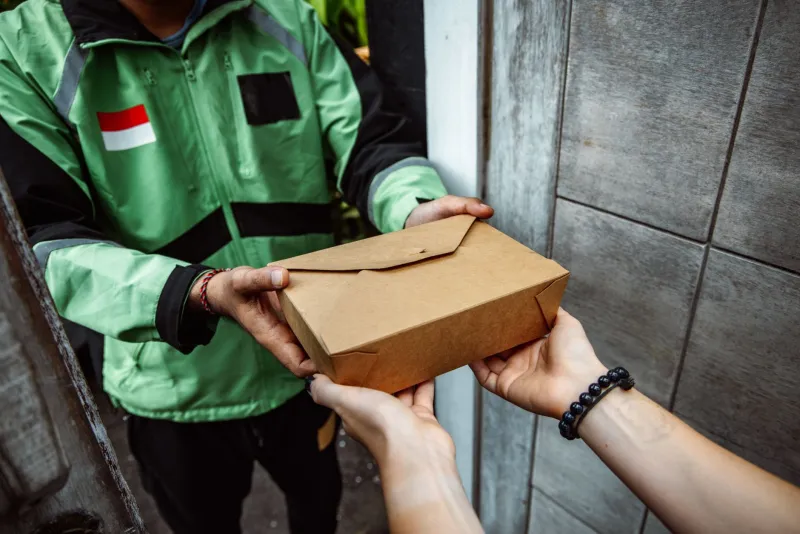
Let's be honest. You've had that moment. You open the delivery bag, lift the lid, and something just isn't right. The crust is soft where it should snap. The pasta has clumped together into a single sad mass. The arancini that looked golden and glorious in the photo are now a little... deflated. And you're left wondering: was the food always going to be like this, or did something go wrong between the kitchen and your front door?
The answer, more often than not, is the latter — and it comes down to packaging.
Most diners never think twice about the box their food arrives in. But for anyone serious about delivering Italian cuisine the way it was meant to be eaten, packaging is practically a culinary discipline in itself.
Steam Is the Enemy (Usually)
Here's the basic physics of takeout: heat produces steam. Steam trapped inside a sealed container turns crispy things soft and creamy things watery. It's why a pizza that comes out of a 700-degree oven with a perfectly blistered crust can arrive at your door 20 minutes later tasting like it was microwaved.
Good packaging accounts for this. Ventilated pizza boxes — the ones with small perforations or raised interior ridges that keep the base off the cardboard — allow steam to escape without letting the pizza cool too quickly. It's a balance, and not every restaurant bothers to get it right. Some just grab whatever boxes are cheapest and call it a day.
The difference shows up immediately when you open the lid.
The Risotto Problem (And Why It's Harder Than You Think)
If pizza is the most obvious victim of bad delivery packaging, risotto is the most unforgiving. A properly made risotto is a moving target even in the restaurant. It's supposed to flow — what Italians call all'onda, or "in waves" — and it stays in that ideal state for maybe ten minutes after it leaves the pan.
Delivering risotto without destroying it requires insulated containers that hold heat without continuing to cook the dish. Overcooking is just as damaging as letting it go cold. The starch in the rice keeps absorbing liquid even after the heat is off, so a risotto that arrives piping hot in a poorly sealed container might be gluey and thick rather than silky and loose.
Restaurants that take this seriously use containers specifically designed for high-moisture dishes — wider, shallower vessels that distribute heat evenly and reduce the stacking of steam in one spot. Some even portion out the finishing butter or cheese separately, letting the diner stir it in at home for a fresher result. It's a small detail that signals a kitchen paying close attention.
Layering Logic: How Good Packaging Thinks About Your Whole Order
There's another layer to this (no pun intended): the order in which your food gets packed matters as much as the containers themselves.
Heavy items on top of delicate ones is an obvious mistake, but it happens constantly. A container of dense lasagna sitting on top of a box of lightly fried calamari will compress and steam those calamari into mush by the time it reaches your door. Smart packaging separates items by heat sensitivity and weight, often using tiered bag structures or separate insulated sections.
Dips, sauces, and dressings should always travel in leak-proof containers placed upright and away from anything that could be damaged by moisture. Bread — whether it's a focaccia or a basket of garlic knots — should never share a sealed bag with steaming hot pasta. It'll absorb that moisture and lose all its texture within minutes.
These aren't complicated rules. They just require someone to actually think about them.
What Mangiamo Paramus Does Differently
At Mangiamo, the approach to delivery packaging starts in the kitchen, not at the door. Every dish on the menu has been evaluated for how it travels — which items hold up well, which ones need special handling, and which ones require the diner to take a small finishing step at home for the best result.
Pizzas go out in ventilated boxes with moisture-absorbing liners that keep the base dry without pulling heat away from the toppings. Pasta dishes are packed in containers sized specifically for the portion, reducing the air gap where condensation builds. Soups and sauces are sealed with tamper-evident lids that also happen to be significantly more airtight than standard takeout containers — meaning less splashing, less mess, and better temperature retention.
For dishes like osso buco or braised short rib, where the sauce is half the point, the packaging is designed to keep the protein submerged rather than sitting above the liquid, which prevents the meat from drying out during transit.
And for the more delicate items — think burrata, anything fried, or a composed salad — those are packaged with components separated and clearly labeled, so you can plate them yourself at home in about 30 seconds and get something that looks and tastes like it was just assembled in the kitchen.
What You Can Do on Your End
Even the best packaging has limits, and there are a few things you can do as a diner to close the gap.
First, time your order. If you know delivery typically takes 30–40 minutes from a particular restaurant, don't order the moment you sit down on the couch. Order 10 minutes before you're actually ready to eat, so the food isn't sitting in the bag getting cold while you finish a TV episode.
Second, don't leave the bag in the car. It sounds obvious, but a lot of people let their delivery sit in a cold car while they bring in groceries or get the kids settled. Even five minutes in a 40-degree New Jersey night in November will drop your food temperature significantly.
Third, use your oven for anything that needs to be crispy. A quick two minutes at 375°F on a baking sheet will do more for your pizza crust than any packaging innovation ever could.
The Bottom Line
Ordering delivery from a great Italian restaurant should feel like an extension of the dining experience, not a consolation prize. The food you're getting was made with real ingredients, real technique, and real care. The packaging is what carries all of that from the kitchen to your table — and it deserves the same level of attention.
Next time your order arrives exactly the way you hoped, take a second to notice the container it came in. Chances are, someone thought pretty hard about that box.