Skip the Hype: Why Paramus's Family-Run Italian Kitchens Are Beating Celebrity Chefs at Their Own Game
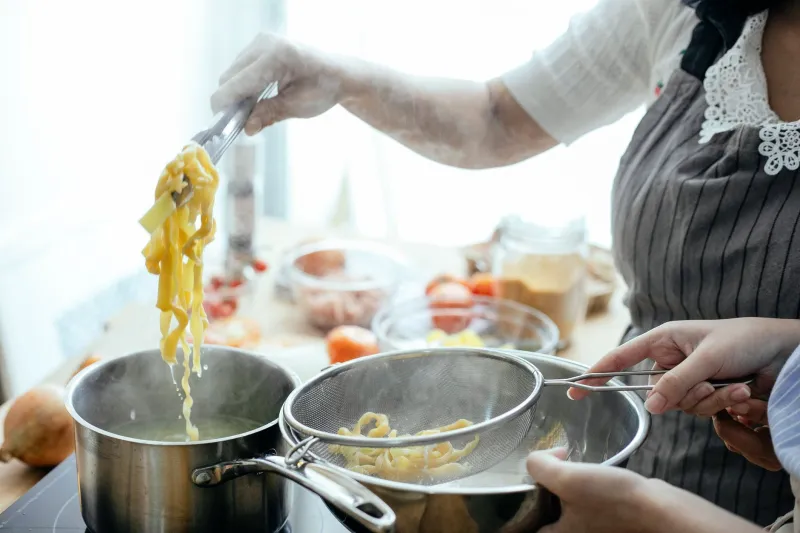
Let's be honest for a second. How many times have you dropped serious money at a celebrity chef's Italian restaurant—the kind with a waiting list, a Michelin star, and a name you recognize from TV—only to leave feeling like something was missing? The pasta was technically perfect. The presentation was stunning. But it didn't taste like anything.
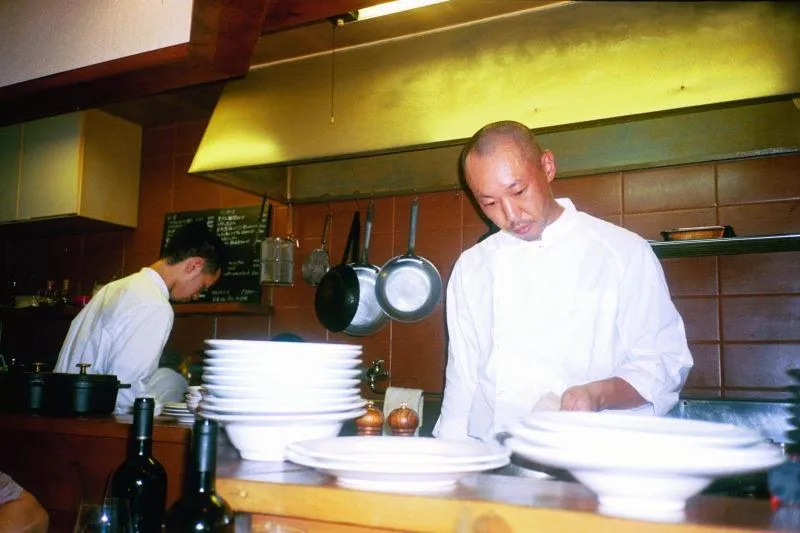
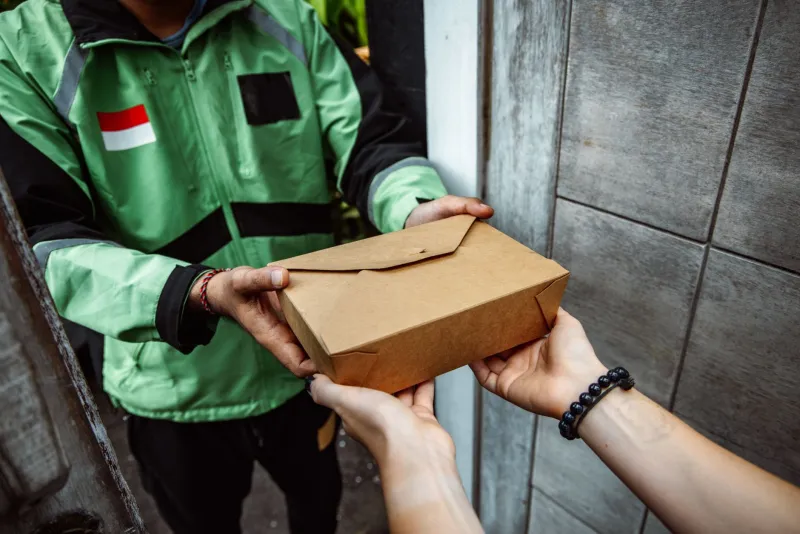
Meanwhile, a family-run spot tucked into a strip mall in Paramus is sending out braised short rib ragù that makes you close your eyes on the first bite. No reservations required. No dress code. Just a delivery bag, a container of homemade bread, and the kind of cooking that only happens when someone genuinely gives a damn.
That's the Paramus paradox. And it's worth talking about.
Fame Doesn't Cook the Pasta
Celebrity chef culture has done some genuinely good things for American food. It raised the profile of cooking as a profession, introduced millions of people to ingredients they'd never heard of, and made food television a legitimate form of entertainment. But somewhere along the way, it also created a weird distortion in how we value restaurants.
We started conflating fame with quality. A recognizable name on a menu became a shorthand for "this must be good." And Italian cuisine—one of the most regionally specific, culturally layered food traditions on the planet—got flattened into a brand.
The problem is that Italian cooking isn't really about individual genius. It's about inheritance. It's about a grandmother who learned to make sugo from her mother, who learned from her mother before her, in a village outside Naples or a coastal town in Calabria. That knowledge doesn't transfer to a culinary school curriculum. It doesn't scale into a restaurant group with twelve locations.
But it does survive in family kitchens. And in Paramus, a lot of those kitchens happen to be attached to restaurants.
What Paramus Actually Has Going for It
New Jersey's Italian-American community has deep roots, and Paramus sits right in the middle of a region shaped by decades of immigration, family settlement, and cultural pride. The restaurants that have grown out of that history aren't chasing trends. They're not trying to impress a food critic or land a segment on a morning show. They're cooking the way their families always cooked, and they're doing it for neighbors who would absolutely notice if something tasted off.
That accountability matters more than people realize. When your regulars grew up eating the same dishes their grandparents made, you can't cut corners on the Sunday sauce. You can't pass off jarred marinara as something homemade. The community knows the difference, and word travels fast.
Celebrity chef restaurants operate under a completely different kind of pressure. They're performing for critics, for Instagram, for the kind of diner who's there to say they went. The cooking has to be impressive. It doesn't necessarily have to be true.
The Delivery Test Is the Most Honest Test
Here's something interesting: delivery strips away all the theater. There's no ambient lighting, no carefully curated playlist, no server telling you about the provenance of the olive oil. It's just the food, a fork, and your couch.
And that's exactly where Paramus restaurants tend to shine.
When you order from a family-run Italian spot and the arancini arrive still crispy on the outside, when the carbonara hasn't broken and the guanciale has real depth, when the tiramisu is clearly made in-house and not thawed from a commercial package—that's a kitchen that knows what it's doing. No performance required.
Contrast that with the delivery experience from a high-profile urban Italian restaurant, where you're often paying a premium for a reputation that doesn't survive the commute. The fancy pasta that looked beautiful plated in a dining room turns into a clumped mess in a takeout container. The sauce that seemed complex in person tastes thin and overseasoned at home.
Authenticity travels. Spectacle doesn't.
The Loyalty Loop That Celebrity Spots Can't Replicate
There's a reason certain Paramus restaurants have been around for decades while buzzy Manhattan Italian spots open and close within two years. Loyal customers aren't built through hype—they're built through consistency, familiarity, and the kind of personal connection that happens when a restaurant actually knows who you are.
When a family-run spot remembers that you always order the veal piccata, or that you prefer your pasta al dente, or that you've been coming in every Friday night for fifteen years, that's not a customer relationship. That's community. And community is what Italian food culture is actually built on.
Celebrity chef restaurants can generate excitement. They can fill seats for opening months and generate social media buzz. But they rarely generate the kind of loyalty that keeps a place running for a generation. The nonnas don't need a publicist. They just need to keep cooking the way they always have.
So What Should You Actually Order?
Next time you're tempted to make a reservation at some hyped Italian spot in the city, consider this instead: open up your Mangiamo Paramus app, browse the family-run restaurants in your area, and order something that sounds like it came from someone's kitchen—because it probably did.
Look for handmade pasta, regional preparations you don't recognize, and menus that haven't been redesigned to look cool. Those are the signs of a kitchen that's cooking from memory rather than from a marketing strategy.
The best Italian meal you'll have this year might arrive in a brown paper bag, carried by a driver who has no idea he's delivering something a celebrity chef couldn't pull off. That's not a knock on talent. It's a reminder that in Italian cooking, love and legacy beat technique and fame almost every single time.