Jersey's Secret Weapon: How Paramus Restaurants Are Quietly Outclassing NYC's Italian Fine Dining
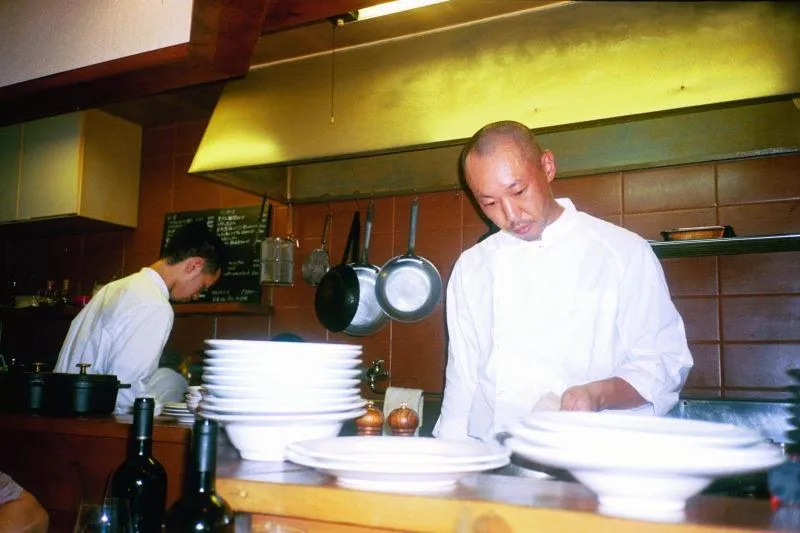
Photo: Tarkowski from Poland, CC BY 2.0, via Wikimedia Commons
There's a certain kind of food snob — you know the type — who wouldn't dream of driving to New Jersey for a serious Italian meal. Manhattan has the Michelin stars, the celebrity chefs, the $40 pasta portions served in rooms that look like architectural awards ceremonies. Why bother with the bridge?
Because the food is better. Or at least, it's just as good — and about half the price. That's the argument being made, loudly and deliciously, by a growing cluster of Italian restaurants in Paramus, New Jersey, and the tri-state food community is starting to pay attention.
The Economics Nobody Wants to Talk About
Here's the unsexy truth about Manhattan's fine dining scene: a huge chunk of what you're paying for has nothing to do with what's on your plate. Midtown rents can run upward of $30,000 a month for a restaurant space. Staffing costs in the five boroughs are brutal. By the time a NYC restaurant prices its menu to survive, the food itself is almost secondary to the overhead math.
Paramus operates in a completely different financial universe. Lower commercial rents mean restaurateurs can spend more on ingredients, invest in better kitchen equipment, and attract talented chefs without needing to charge Manhattan-level prices to stay afloat. That gap — what you might call the Jersey margin — gets poured directly into the cooking.
"When I was working in the city, half my brain was always on the numbers," says one Paramus restaurateur who spent a decade in Manhattan kitchens before opening his own place in Bergen County. "Out here, I can actually think about the food. I can order the good San Marzanos. I can let my branzino sauce reduce for an extra twenty minutes because I'm not staring down a $28,000 monthly nut."
That breathing room shows up in the bowl.
The Talent Migration Nobody Predicted
For years, culinary ambition had one direction: toward New York City. Serious chefs wanted the exposure, the critics, the cultural cachet that came with a Manhattan address. That pipeline hasn't reversed exactly, but it's developed a significant leak.
A notable number of classically trained Italian-cuisine specialists — some with stints at respected NYC establishments, others with backgrounds in Rome, Naples, and Bologna — have made deliberate choices to set up shop in the suburbs. The reasons vary. Some wanted to raise families somewhere with a backyard. Others burned out on the city's relentless pace. A few simply did the math and realized they could build something more sustainable outside the five boroughs.
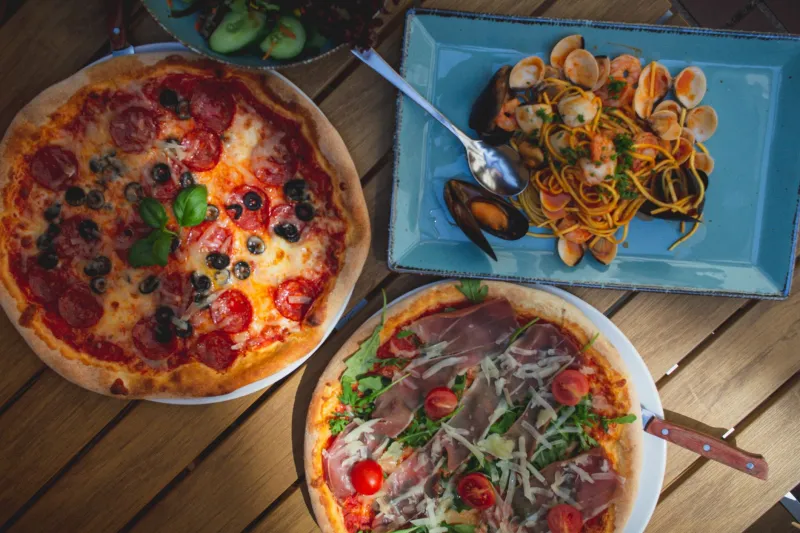
What they brought with them was serious technique. The kind of pasta-making knowledge that comes from years of practice, not a YouTube tutorial. The understanding of how acidity, fat, and salt interact in a long-braised ragu. The patience to make a proper soffritto.
Paramus, with its large and historically rooted Italian-American population, turned out to be a receptive home for that expertise. Diners here didn't need to be educated about the difference between dried pasta and fresh. They grew up eating Sunday gravy. They knew what good tasted like.
Sourcing: The Ingredient Advantage
One of the most compelling arguments Paramus chefs make against their NYC counterparts involves supply chains. It sounds boring until you realize it affects every single thing on the menu.
Bergen County's proximity to New York's wholesale markets, combined with its own network of Italian specialty importers that have served the area's Italian-American community for decades, gives local restaurants access to exceptional ingredients without the logistical headache. Some Paramus kitchens have longstanding relationships with importers who bring in DOP-certified products — Parmigiano-Reggiano aged the right number of months, extra virgin olive oil from specific Sicilian producers, 'nduja from Calabria — that never make it to most Manhattan menus because the volumes don't work.
There's also a growing farm-to-table angle that doesn't get enough credit. New Jersey is, famously, the Garden State — and that's not just a slogan. Jersey tomatoes, fresh herbs, and seasonal produce from farms less than an hour away show up in Paramus kitchens in ways that would be logistically complicated for a restaurant embedded in Midtown concrete.
What the Manhattan Crowd Is Finally Admitting
Food writers and serious diners from New York have started making the trip in meaningful numbers, and the conversation is shifting. Instagram accounts dedicated to Italian cuisine regularly feature Paramus spots. Reservation wait times at the area's better restaurants have crept up. A few Bergen County establishments have started appearing in regional "best of" lists that previously ignored anything west of the Hudson.
The response from the local restaurant community is — refreshingly — not triumphalist. Most chefs here aren't interested in beating Manhattan. They're interested in cooking well, serving their neighbors, and building restaurants that can last.
"I don't need a star," says another Paramus restaurant owner, a second-generation Italian-American whose parents ran a deli in the same town for thirty years. "I need people to come back. That's the whole game. Make something real, make it consistently, and people will find you."
Ordering In: The Paramus Advantage Comes Home
Perhaps the most democratic part of this whole story is what it means for delivery. When the quality of a restaurant's base ingredients is high and the kitchen staff actually knows what they're doing, the food travels better. A properly emulsified cacio e pepe holds differently than one that was thrown together. A braised short rib ragu that's been cooking since morning survives a fifteen-minute drive in ways that a rushed, underseasoned version simply doesn't.
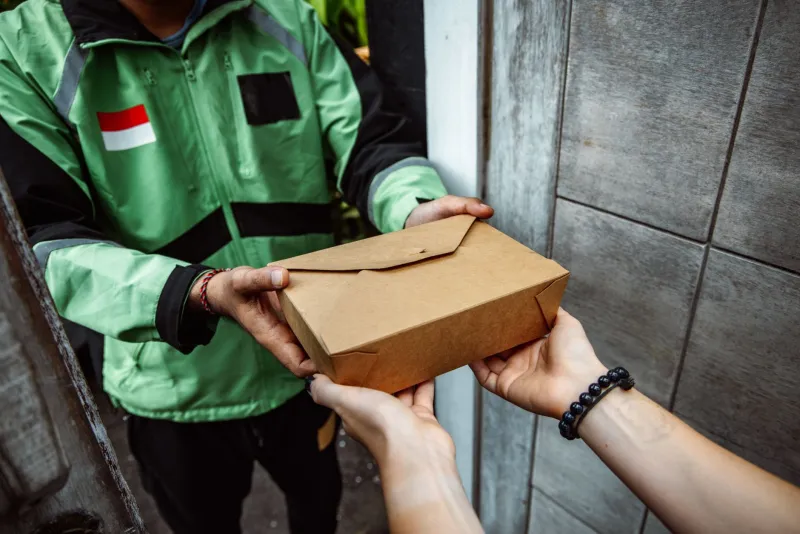
For Paramus residents ordering through platforms like Mangiamo, that translates directly to a better experience on the couch. The same chef talent and ingredient quality that's drawing Manhattan diners across the bridge is also showing up in your takeout container on a Tuesday night.
The Paramus paradox — that Jersey could quietly become one of the most serious Italian food destinations in the region — turns out not to be a paradox at all. It's just what happens when talented people have the space, the ingredients, and the community support to cook without compromise.
Manhattan will always have the skyline. But Paramus has the gravy.