Jersey Water, Italian Flour: The Sourcing Debate Dividing Paramus Pasta Kitchens
Here's something most people don't know: New Jersey has exceptional water. Not just "pretty good for a suburb" water — legitimately great water, the kind that bakers, brewers, and pasta makers quietly chase across the country. Low in chlorine, balanced mineral content, soft enough to hydrate dough without fighting it. On paper, Paramus should be a pasta paradise.
And yet, some of the most respected Italian kitchens in town are quietly importing semolina flour from Puglia, dried pasta shapes from small Sicilian producers, and even specific '00' flours from mills outside Naples. They're doing it on purpose. They're paying more for it. And they're not entirely apologetic about it.
So what gives? Is this tradition for tradition's sake, or is there actually something in that imported bag of flour that Jersey's excellent tap water can't compensate for?
The Water Advantage Is Real — Just Not the Whole Story
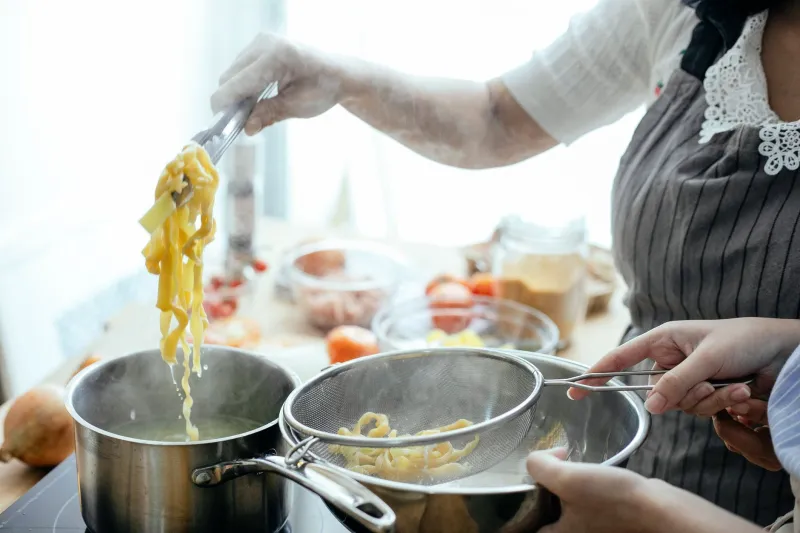
Let's be clear: the water thing isn't a myth. Ask any serious bread baker or pasta maker and they'll tell you that mineral content, pH, and chlorine levels all affect how dough comes together. Hard water can tighten gluten structure. Chlorine can interfere with fermentation. Soft, clean water — the kind that flows through much of North Jersey's municipal system — gives you more control over the final texture.
"The water here is genuinely great to work with," says one pasta maker who supplies several Paramus-area restaurants. "When I'm making fresh dough, I'm not fighting anything. It hydrates evenly, it's consistent week to week. For fresh pasta, I'd take Jersey water over a lot of what I've worked with in Italy."
That's a real advantage. But here's where it gets interesting: fresh pasta and dried pasta are almost entirely different products, and the water conversation shifts dramatically depending on which one you're talking about.
Dried Pasta Is a Different Animal
For dried pasta — the kind that goes into your baked ziti, your bucatini all'amatriciana, your rigatoni order on a Tuesday night — the water used in production matters, but so does the wheat. And that's where Italian sourcing starts making a lot more sense.
Durum wheat grown in southern Italy, particularly in regions like Puglia and Basilicata, has a protein profile and starch structure that's genuinely different from American-grown durum. It's not snobbery. It's agriculture. The soil composition, the dry Mediterranean climate, and centuries of selective cultivation have produced wheat that behaves differently in the extruder and holds up differently in boiling water.
"When you cook a pasta made from Italian durum, there's a certain resistance — a chew — that's hard to replicate," explains a chef who runs a small-format Italian kitchen in the Paramus area. "American semolina is fine. It makes perfectly edible pasta. But if you've trained your palate on the real thing, you notice the difference. And if your grandmother noticed the difference, you're not going to be the one to tell your customers it doesn't matter."
There's also the bronze-die extrusion question. Many Italian artisan pasta producers still push their dough through bronze dies rather than Teflon-coated ones, which creates a rougher surface texture that grabs sauce more aggressively. That's a mechanical difference, not a regional one — but a lot of the producers doing it this way happen to be in Italy.
Tradition as a Quality Signal
Some of what's happening in Paramus kitchens is also about signal and story. Restaurants that import specific ingredients aren't just buying a product — they're buying a narrative, a provenance, a connection to a specific place and method. That matters to a certain kind of diner, and it matters to a certain kind of chef.
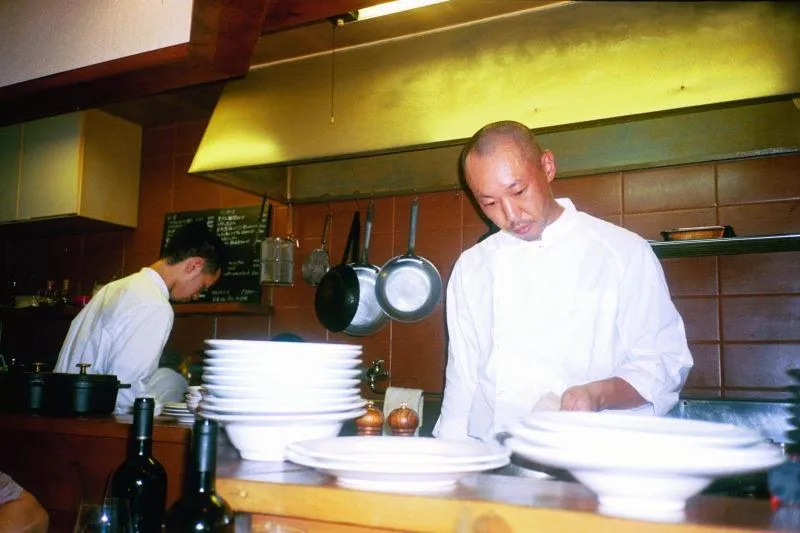
"I use a pasta from a small producer in Sicily that's been making the same shapes the same way for over a hundred years," says one local restaurateur. "Could I find something similar domestically? Maybe. But that relationship, that consistency, that knowing exactly what I'm getting — that has value. It shows up in the dish."
This isn't nostalgia cosplay. It's a sourcing philosophy, and it's one that serious kitchens apply to everything from olive oil to canned tomatoes. The imported ingredient becomes a quality anchor in a menu full of variables.
What This Means When You're Ordering Delivery
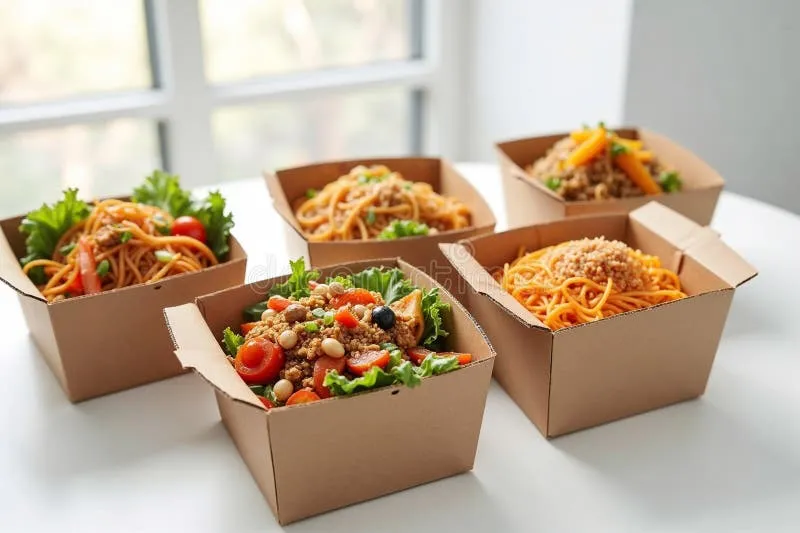
Okay, so here's the practical question: if you're sitting in Paramus on a Friday night scrolling through options on ordermangiamoparamus.com, does any of this actually affect what shows up at your door?
Yes and no.
The pasta shape matters more than most people realize. A rigatoni made from imported Italian durum with a rough bronze-die surface is going to hold your Bolognese differently than a smooth domestic rigatoni. You'll taste more sauce per bite. The noodle will have more presence. Whether that's worth a higher price point is genuinely a personal call.
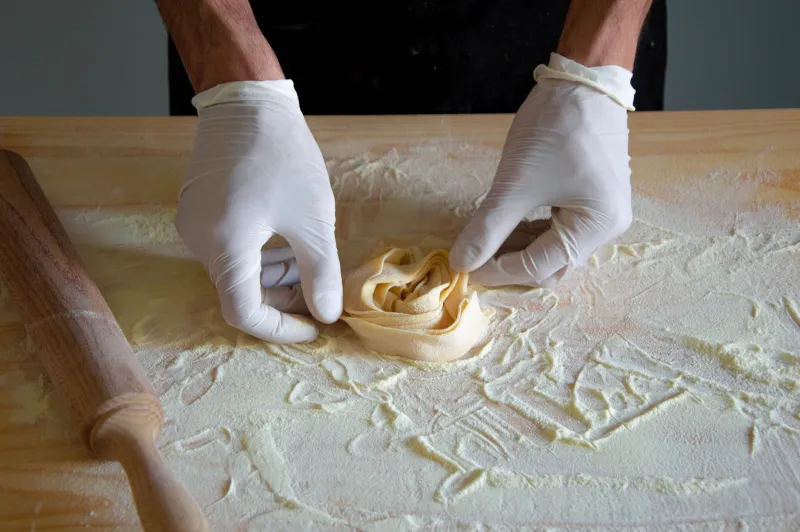
For fresh pasta dishes — your handmade tagliatelle, your stuffed pastas — the flour source matters, but so does the skill of whoever made it. A talented local pasta maker using Jersey water and domestic '00' flour can absolutely produce something extraordinary. Don't write off a restaurant just because they're not flying in ingredients.
The better question to ask, honestly, is whether the restaurant has a sourcing philosophy at all. Kitchens that think carefully about where their pasta comes from tend to think carefully about everything else, too. That intentionality usually shows up in the final dish, regardless of which side of the Atlantic the flour came from.
The Bottom Line on the Paradox
Paramus's water really is good. Italian flour and dried pasta really do have qualities worth paying for. Both things are true, and the best local kitchens know how to hold that tension without getting precious about it.
The chefs who import aren't dismissing New Jersey. The ones who source domestically aren't cutting corners. They're making different bets, rooted in different philosophies, about what makes a plate of pasta worth ordering.
Next time you're picking between two seemingly identical pasta dishes at different price points, that gap might just be the distance between a bag of semolina from Puglia and a perfectly hydrated ball of dough made with excellent Jersey water. Both can be delicious. Knowing the difference helps you order smarter — and appreciate what's in the box a little more.