Beyond Spaghetti and Meatballs: A Diner's Guide to Ordering Italy's Most Underrated Regional Dishes From Paramus
Italy is not a monolith. It's a country stitched together from twenty distinct regions, each with its own dialect, landscape, history, and—most importantly for our purposes—its own food culture. The north eats butter and polenta. The south cooks with olive oil and dried chiles. Sicily tastes like a crossroads of Arab, Greek, and Norman influences. Calabria is fiery and uncompromising. Liguria smells like basil and the sea.
Most American diners have been introduced to a greatest-hits version of Italian food: red sauce, pasta, pizza, tiramisu. All great. All worth celebrating. But they represent maybe ten percent of what Italian cuisine actually is.
The other ninety percent? A lot of it is quietly available right here in Paramus, if you know how to look for it—and how to ask.
This is your guide to doing exactly that.
Why Regional Italian Food Is Different (and Why It Matters)
Before we get into the dishes, a quick primer. Italian regional cooking is hyperlocal in a way that's hard to fully explain to someone who grew up eating the same pasta dish regardless of what state they were in. In Italy, a recipe can change dramatically from one town to the next. The carbonara in Rome is made with guanciale, not bacon, and absolutely zero cream. Ask for cream in a Roman kitchen and you'll get a look.
These distinctions aren't snobbery—they're identity. Understanding where a dish comes from tells you something about the people who invented it, the ingredients they had access to, and the landscape that shaped their cooking. Eating regionally is a form of cultural respect, and it also just happens to produce some of the most interesting meals you'll ever have.
Arancini (Sicily) — The Golden Rice Ball You Need in Your Life
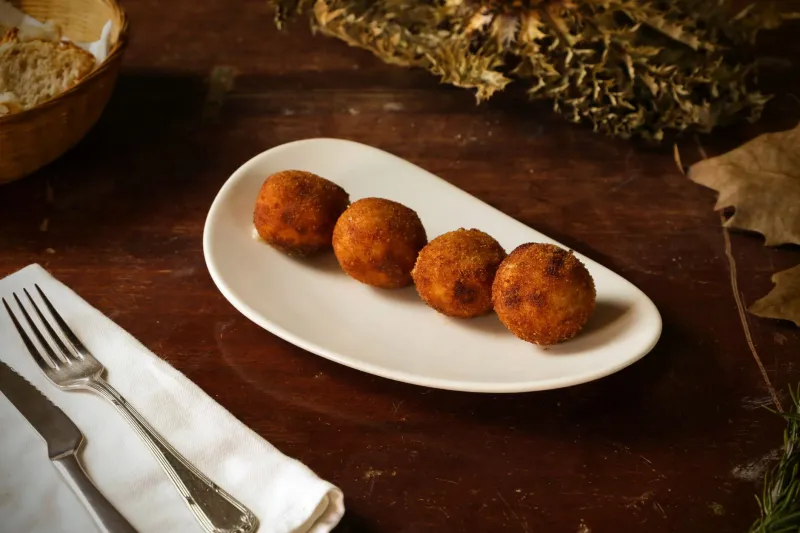
Let's start in Sicily, where street food is an art form. Arancini are fried rice balls—stuffed with ragù, peas, and mozzarella in the classic version, though you'll also find variations filled with prosciutto and béchamel or spinach and cheese. The outside is breaded and fried to a deep golden crunch. The inside is soft, rich, and steaming.
They're everywhere in Palermo. They should be in your delivery order.
When ordering from Paramus restaurants, look for arancini on the appetizer menu. If you don't see them listed, it's worth asking—many Italian kitchens make them as a daily special or off-menu item. Specify that you want them hot (they reheat well in an air fryer at home if needed), and order at least two per person. One is never enough.
Vitello Tonnato (Piedmont) — The Dish That Sounds Weird and Tastes Incredible
Vitello tonnato is the ultimate example of a dish that sounds strange until you taste it. Thinly sliced cold veal, draped in a creamy tuna and caper sauce. Yes, really. And yes, it's extraordinary.
This is a Piedmontese classic—northern Italian, rich, elegant, and completely unlike anything you'd find in a red-sauce joint. The sauce is made from canned tuna, anchovies, capers, lemon, and mayo or olive oil, blended smooth and spooned generously over the veal. It's served cold, often as an antipasto, and it's one of those combinations that shouldn't work on paper but absolutely does in practice.
If you see it on a Paramus menu, order it immediately. If you don't, ask your restaurant if it's something the kitchen can prepare. Many Italian chefs know the dish well and are happy to make it for a diner who actually wants it.
Pasta con le Sarde (Sicily) — Sweet, Savory, and Totally Unlike Anything Else
Another Sicilian gift to the world: pasta con le sarde, a dish that combines fresh sardines with fennel, pine nuts, raisins, and saffron over bucatini or spaghetti. The flavor profile is agrodolce—sweet and savory at once, with a depth that comes from the Arab influences woven into Sicilian cooking centuries ago.
It's not a dish you'll find on every Italian menu in New Jersey, but it exists. Ask about it. If a restaurant's kitchen is rooted in southern Italian tradition, there's a good chance someone there knows this recipe. A polite, curious inquiry goes a long way: "Does your kitchen ever prepare pasta con le sarde? I'd love to try it if it's something you make."
Ribollita (Tuscany) — The Bread Soup That Warms Everything
Tuscany gave us ribollita, a thick, hearty bread soup made from cannellini beans, lacinato kale, carrots, celery, tomatoes, and day-old bread. The name means "reboiled"—it's traditionally made in large batches and reheated the next day, which actually makes it better.
This is peasant food in the most complimentary sense: resourceful, deeply satisfying, and built to feed a family on simple ingredients. In the colder months especially, ribollita is exactly the kind of delivery order that makes staying home feel like the best decision you've made all week.
Look for it on winter menus or ask if the kitchen offers any Tuscan-style soups or stews. It's a dish that travels beautifully in a container and tastes even better when you let it sit for a few minutes before eating.
'Nduja (Calabria) — The Spreadable Salami That Changes Everything
Calabria is the toe of Italy's boot, and its food is unapologetically bold. 'Nduja (pronounced en-DOO-ya) is a soft, spreadable salami made from pork and Calabrian chiles. It's intensely spicy, deeply porky, and absurdly versatile. It can be spread on bread, stirred into pasta sauce, melted onto pizza, or folded into eggs.
Some Paramus restaurants use 'nduja as an ingredient without calling it out by name—it's worth asking if a spicy meat element in a dish is 'nduja specifically. If a restaurant stocks it, you can also ask for it as a side or topping on dishes that might not traditionally include it. A little goes a long way, and it will absolutely change the way you think about spice in Italian cooking.
How to Order Regional Dishes You Don't See on the Menu
Here's the honest truth: not every regional dish will be listed on every menu. But Italian restaurant kitchens are often more flexible than the printed menu suggests, especially at family-run spots where the cooking is instinctual rather than scripted.
A few tips for getting what you want:
- Call ahead, not at peak hours. If you want to ask about off-menu preparations, do it mid-afternoon when the kitchen isn't slammed.
- Be specific but humble. Name the dish, explain what it is briefly, and ask if it's something they can do. Most chefs respond well to genuine curiosity.
- Order through Mangiamo Paramus and check the full menu carefully. Regional dishes sometimes appear as daily specials or seasonal items that don't make it to the main online menu.
- Trust the kitchen's roots. A restaurant with Sicilian family history is more likely to know pasta con le sarde than one with Roman roots. Ask where the family is from—it's a great conversation and a useful guide.
Italy's culinary map is enormous, and you've barely scratched the surface. The best part? You can explore all of it from your living room, one delivery order at a time.