Why Italian Food Hits Harder When You're Wearing Socks and Nobody Can See You
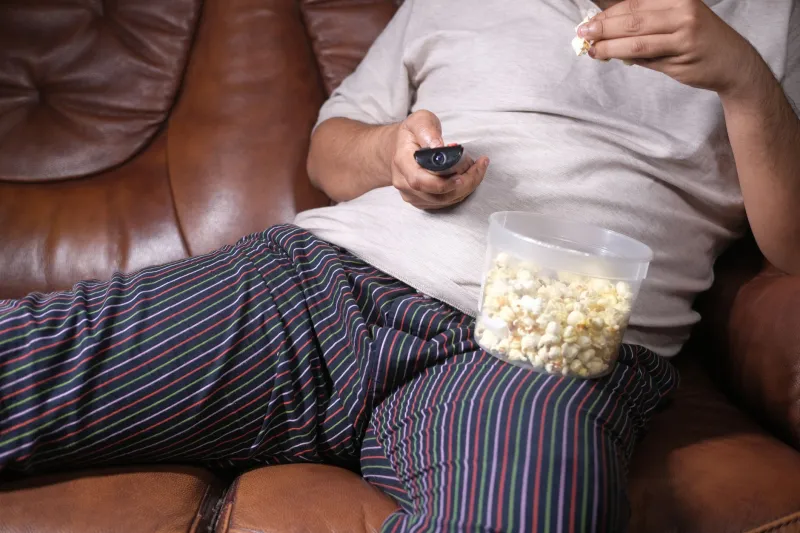
Let's be honest for a second. You've had a perfectly decent plate of pasta at a nice restaurant — white tablecloth, soft lighting, server who checks in exactly the right number of times — and it was fine. Good, even. But then there's that other night. The one where you ordered delivery, changed into something comfortable before the food even arrived, and ate half a container of baked ziti standing over your kitchen counter before you even found a fork. And somehow? That ziti was transcendent.
This isn't a coincidence. It's not nostalgia or low expectations doing the heavy lifting. There's genuine science behind why Italian food, specifically, seems to taste better when no one is watching you eat it — and why the Paramus delivery experience has quietly become one of the most satisfying ways to actually enjoy the cuisine.
Your Brain Is Paying Attention to More Than the Food
Researchers who study sensory perception have been chipping away at this question for years, and the answers are stranger and more interesting than most people expect. Taste, it turns out, is not a standalone sense. It's assembled in real time from a tangle of inputs: smell, temperature, sound, emotional state, and even the level of stress your nervous system is currently carrying.
When you sit down at a restaurant — even a great one — your brain is doing a lot of background work. You're navigating social dynamics, managing the volume of surrounding conversations, keeping track of whether your dining companion looks bored, wondering if you ordered the right thing, and quietly calculating whether the bill is going to sting. None of that is necessarily bad, but it is cognitively expensive. And that overhead costs you something at the table: full sensory presence.
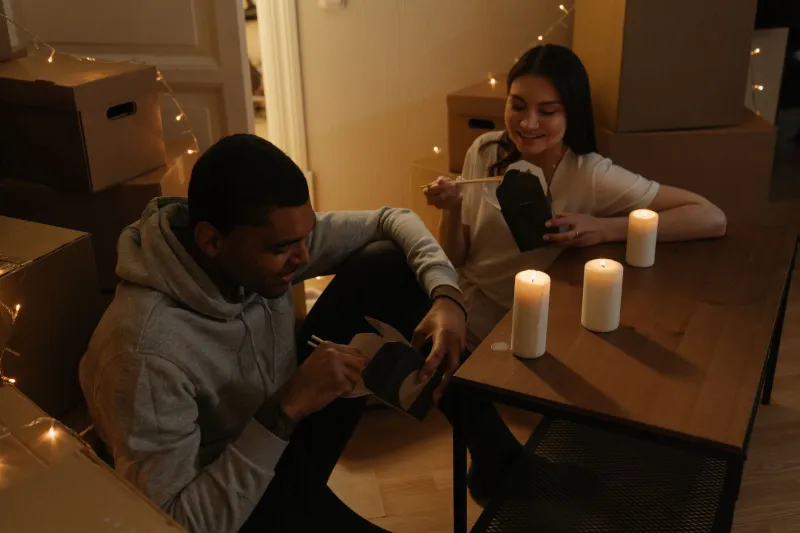
At home, those variables evaporate. You control the music (or the silence). The lighting is whatever you want it to be. There's no performance anxiety, no timeline, no neighboring table crowding your elbow. Your nervous system, recognizing the absence of social pressure, starts to relax — and a relaxed nervous system is a more receptive one. Flavors register more completely. Aromas linger longer. The fat in a properly made vodka sauce coats your palate in a way you actually have time to notice.
The Comfort Variable Is Real, and It's Underrated
Psychologists who study the intersection of environment and eating have a term for this: hedonic flexibility. Basically, our experience of pleasure is highly context-dependent, and familiar, comfortable environments tend to amplify positive sensory experiences while reducing our critical filtering of them.
In plain English: when you feel safe and at ease, food tastes better. Not because your taste buds have changed, but because you're not suppressing the experience. You're just... eating.
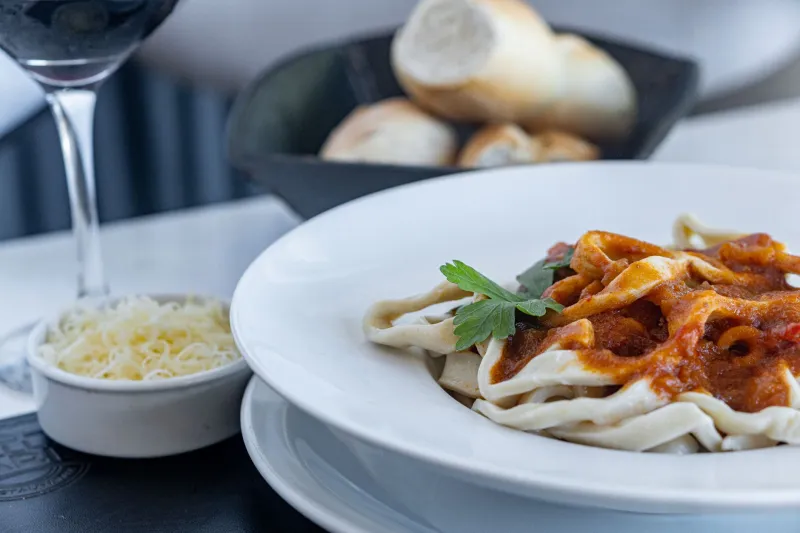
Italian food, more than almost any other cuisine, is built for exactly this kind of eating. It evolved in family kitchens, around large communal tables, in environments where the meal was never a performance — it was just life. The red sauce that simmered for four hours wasn't meant to be photographed or critiqued. It was meant to be eaten by people who were hungry and happy to be home. When you order from a Paramus kitchen that's carrying on that tradition and eat it in your own living room, you're completing a loop that the food was always designed to close.
Why Paramus Delivery Specifically Gets This Right
Not all delivery experiences are created equal, and this is worth saying plainly. The reason the at-home Italian experience works so well when you're ordering from Paramus — as opposed to, say, a chain restaurant or a place that treats delivery as an afterthought — comes down to what's actually in the bag.
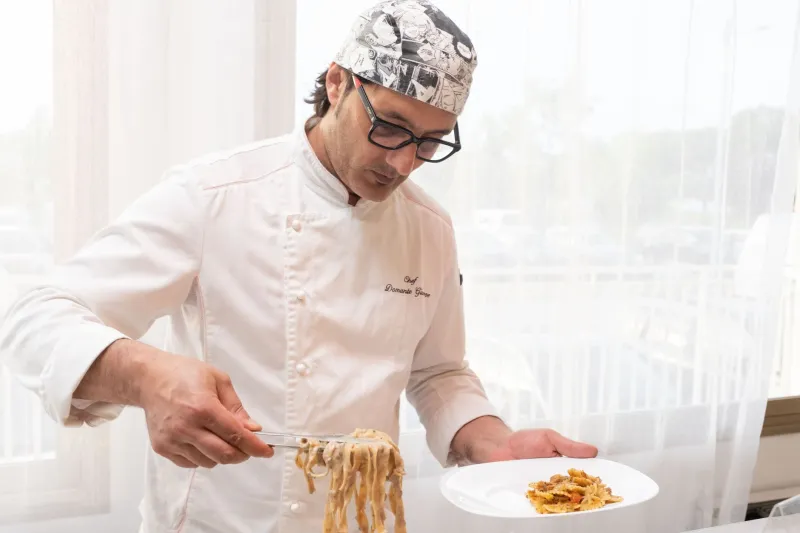
The Italian kitchens operating in this corner of Bergen County are, by and large, run by people who grew up eating this food. They're not producing a facsimile of Italian cuisine for a tourist audience. They're cooking what they know, with ingredients they source carefully, in quantities calibrated for real people eating real meals. That specificity matters enormously when the food has to travel. A sauce made with fresh aromatics and proper fat content holds its flavor across a fifteen-minute drive in a way that a watered-down version simply doesn't.
When the food is good enough to survive the journey — and from the right Paramus spots, it absolutely is — it arrives at your door ready to reward the relaxed, unhurried attention that home eating makes possible.
The Ritual of the Unboxing (Yes, Really)
There's one more piece of this puzzle that doesn't get enough credit: anticipation. The window between placing your order and hearing the knock at the door is its own sensory experience. You've already chosen what you want. You've already imagined it. By the time the bag lands on your counter, you've been mentally eating for twenty minutes, and that anticipatory pleasure is neurologically real — it primes your reward pathways and makes the actual eating more satisfying.
Restaurants can't replicate this. The experience of walking in, sitting down, and ordering is compressed and social. The delivery experience has a slow build that's entirely yours. You set the table (or don't). You pour something cold (or warm). You open the containers in whatever order feels right. You're not performing for anyone.
That's the paradox at the center of all of this: the less formal the setting, the more fully you inhabit the meal. And Italian food — with its layers of fat, acid, salt, and herb, its textures that reward slow attention — is exactly the kind of cuisine that blooms under that kind of unhurried presence.
Eat It Your Way
There's no shame in preferring your couch to a corner booth. In fact, there's a pretty compelling argument that the couch is where Italian food was always meant to land. The kitchens in Paramus cooking this stuff aren't making it for Instagram or for critics. They're making it for people who want to eat well, at home, without making an event out of it.
So the next time you're deliberating between going out and ordering in, consider what you actually want from the meal. If the answer is the food itself — the real flavors, the full experience, the kind of satisfaction that settles in your chest like a good ending — then close the app, open the front door when it rings, and let the meal come to you.
You'll taste more of it that way. Science says so. And honestly, so does every Italian grandmother who ever insisted you sit down and eat before it gets cold.