Spritz, Snacks, and Good Company: Throw an Italian Aperitivo Night Without Breaking a Sweat
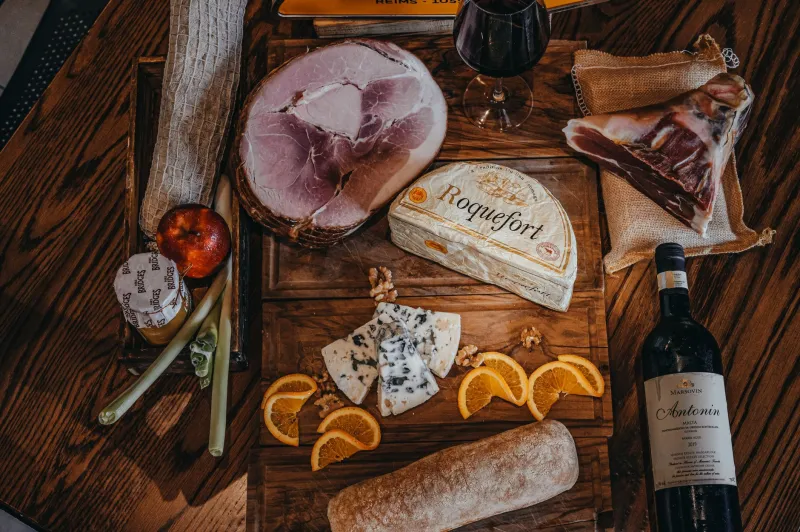
Somewhere between the chaos of the school pickup line and the question of what's for dinner, there's a window most of us completely ignore. In Italy, that window is sacred. It's called aperitivo—and it might just be the most underrated social tradition in the world.
The idea is simple: gather before the main meal, pour something light and slightly bitter, set out a spread of small bites, and actually talk to each other. No phones face-up on the table. No rushing. Just good food, good drinks, and the kind of easy conversation that makes an ordinary evening feel like something worth remembering.
The great news? You don't need to fly to Milan to experience it. Right here in Paramus, New Jersey, you can recreate this ritual with almost zero cooking required—thanks to a well-timed order from Mangiamo Paramus.
What Aperitivo Actually Is (And What It Isn't)
Let's clear something up first. Aperitivo isn't a cocktail hour in the American sense—it's not about getting a buzz before dinner. The word comes from the Latin aperire, meaning "to open." The goal is to open your appetite, loosen the mood, and ease into the evening.
Traditionally, the drinks are low-alcohol or bittersweet: an Aperol Spritz, a Campari soda, a glass of Prosecco, or even a light Vermentino. The food is intentionally light—a little salty, a little savory, just enough to keep you from being ravenous by the time the main meal hits the table.
In northern Italian cities like Milan and Turin, bars serve aperitivo spreads as a complimentary bonus when you order a drink. Think olives, cured meats, bruschetta, stuffed peppers, small arancini. It's convivial, unpretentious, and deeply social.
You can absolutely replicate this energy in your living room or backyard.
Timing Is Everything
The traditional aperitivo window runs from about 6:00 to 8:00 PM—right in that sweet spot before dinner but after the workday wraps. For a Paramus family, that might mean shifting dinner back slightly to 7:30 or 8:00 PM and carving out that earlier hour for the spread.
The trick is to order from Mangiamo Paramus ahead of time so everything arrives ready to go. You're not cooking. You're curating. Place your order around 5:00 or 5:30, and by the time the delivery arrives, you've got twenty minutes to set the table, pour the drinks, and change out of your work clothes.
That's it. That's the prep.
Building Your Aperitivo Spread
This is where the fun starts. A great aperitivo table doesn't need to be elaborate—it needs to be intentional. Think variety of textures and flavors: something salty, something creamy, something acidic, and something warm if you can swing it.
Here's a solid starting lineup using what Mangiamo Paramus does best:
Antipasti as anchors. A classic antipasto platter—prosciutto, salami, marinated vegetables, fresh mozzarella—is the backbone of any aperitivo spread. Slice everything thin, arrange it loosely on a wooden board, and don't overthink the presentation. Rustic is the point.
Bruschetta for brightness. A few pieces of bruschetta with fresh tomato and basil bring acidity and color to the table. They're light enough not to ruin anyone's appetite but satisfying enough to keep the mood going.
Arancini for warmth. If you want one hot item on the spread, arancini are the move. These golden, crispy rice balls are filling enough to anchor the table without tipping into full-dinner territory. They also happen to be wildly crowd-pleasing.
Olives and pickled things. Don't underestimate a good olive. Mixed Italian olives—Castelvetrano, Gaeta, Cerignola—add brininess and visual texture. If you can grab a jar of giardiniera or pickled pepperoncini from your pantry, toss those in too.
What to Pour
You don't need to overthink the drinks. The aperitivo tradition leans toward low-alcohol, refreshing options that stimulate the palate rather than overwhelm it.
Aperol Spritz is the crowd-pleaser: three parts Prosecco, two parts Aperol, one splash of soda water, a slice of orange. Done. It's bright orange, visually festive, and genuinely delicious.
Prosecco on its own works beautifully if you want to keep it simple. Look for a dry (Brut) style rather than anything too sweet.
Campari soda is the more bitter, sophisticated option—a tall glass of Campari over ice topped with sparkling water. It's an acquired taste, but it's the real deal.
For non-drinkers, a sparkling water with a squeeze of blood orange and a sprig of rosemary hits the same refreshing, slightly bitter note.
Setting the Mood Without Going Overboard
Aperitivo culture is inherently low-key. You're not trying to impress anyone—you're trying to enjoy everyone. That said, a few small touches go a long way.
Dim the lights or light a candle or two. Put on a playlist that feels Italian without being a cliché—think jazz-influenced Italian pop, classic Dean Martin, or even a modern playlist from a Spotify search for "Italian café music." Move the spread to the coffee table or the kitchen island so people have to gather around it rather than sit formally.
Most importantly: no screens during aperitivo. That's the rule. One hour, good food, good drinks, real conversation. New Jersey will still be there when it's over.
Make It a Regular Thing
Here's the real secret about aperitivo: it doesn't have to be a special occasion. In Italy, it happens multiple times a week. It's not a party—it's just a rhythm.
Pickup a habit of ordering from Mangiamo Paramus on Thursday evenings, setting out a small spread, and easing into the weekend a day early. Invite a neighbor. Text a friend who lives ten minutes away. Keep it loose and unscheduled.
The aperitivo tradition thrives on spontaneity and simplicity. And in a town like Paramus, where everyone's juggling work, kids, and a hundred other obligations, carving out even sixty minutes of intentional slowness can genuinely change the texture of your week.
Italy figured this out centuries ago. Tonight might be a good time for Paramus to catch up.